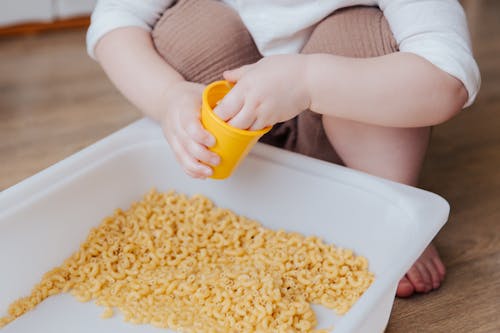
Potty training a toddler can feel overwhelming for many parents.Learning how to potty train a toddler step by step makes the process much easier.
Potty training is one of those milestones that every parent looks forward to, but it can also feel a little overwhelming at first. Many parents wonder when the right time is, how to start, and what to do when things don’t go as planned.
The truth is that every toddler learns at their own pace. Some children pick it up quickly, while others need more time and patience.
The good news is that with the right approach and a calm routine, potty training can become much easier for both parents and toddlers.
Here is a simple step-by-step guide that many parents have found helpful.
Signs Your Toddler Is Ready for Potty Training
Before starting potty training, it’s important to know whether your toddler is ready.
Trying too early can lead to frustration for both of you.
Some common signs include:
Your toddler stays dry for longer periods.
They show interest in the bathroom or toilet.
They tell you when their diaper is wet or dirty.
They can pull their pants up and down.
They follow simple instructions.
Most toddlers show these signs between 18 and 30 months, but every child is different.
Step 1: Introduce the Potty
Start by introducing your toddler to the potty chair. Place it somewhere easy to access, such as the bathroom.
Let your child sit on the potty fully clothed at first. This helps them get comfortable with the idea without pressure.
Some parents even allow their child to decorate the potty with stickers or choose their own potty chair. Small things like this can make toddlers feel excited about the process.
Step 2: Create a Simple Routine
Consistency is very important during potty training.
Try encouraging your toddler to sit on the potty at regular times during the day, such as:
After waking up
Before bath time
After meals
Before bedtime
Even if nothing happens at first, the routine helps toddlers understand the purpose of the potty.
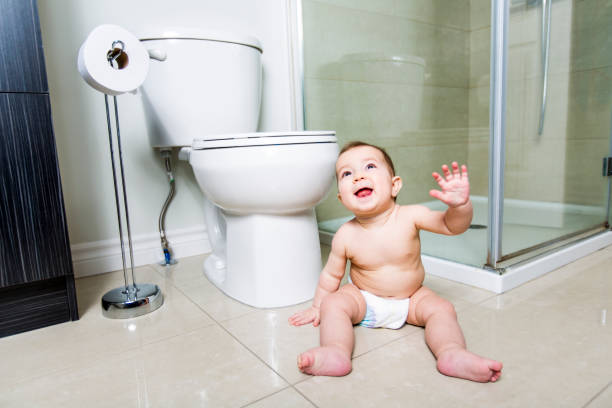
Step 3: Use Encouragement, Not Pressure
Positive reinforcement works much better than pressure or frustration.
Celebrate small successes, even if your toddler simply sits on the potty. Words like:
“Great job trying!”
“I’m proud of you!”
can make toddlers feel confident and motivated.
Some parents also use sticker charts as a simple reward system.
Step 4: Expect Accidents
Accidents are a normal part of potty training.
Even toddlers who seem to understand the process will sometimes forget or wait too long. Instead of showing frustration, calmly remind them that accidents happen and encourage them to try again next time.
Patience is key during this stage.
Step 5: Switch to Training Pants
Once your toddler begins to understand the routine, training pants can help them feel more independent.
Training pants allow toddlers to practice pulling their clothes up and down, which is an important part of the learning process.
Some parents alternate between diapers and training pants depending on the situation, especially during outings or naps.
Step 6: Nighttime Potty Training Comes Later
Nighttime potty training usually takes longer than daytime training.
Many toddlers continue wearing nighttime diapers for several months after they are fully potty trained during the day.
This is completely normal, because nighttime bladder control develops later.
Many parents wonder when to start potty training their toddler.The truth is that potty training a toddler takes patience and consistency.
Tips That Make Potty Training Easier
Many parents find that a few small strategies make a big difference.
Keep the routine calm and predictable.
Avoid forcing your toddler if they resist.
Use simple language when explaining what the potty is for.
Celebrate progress instead of focusing on mistakes.
Every child learns differently, so patience and encouragement go a long way.
Final Thoughts
Potty training is a big step in your toddler’s development, but it doesn’t have to be stressful.
With the right timing, a simple routine, and plenty of encouragement, most toddlers gradually learn to use the potty with confidence.
Remember that every child develops at their own pace. Some toddlers may take a few days to learn, while others may need several weeks.
The most important thing is to stay patient and supportive throughout the process.
Over time, those small steps will turn into a big milestone for both you and your child.
How to Handle Toddler Tantrums
How Much Sleep Does a 2 Year Old Need? (Complete Guide)
About the Author
ToddlerCarePro Team writes practical parenting guides focused on toddler sleep, behavior, and healthy development.