
Introduction
One phase that really surprised me as a parent was how suddenly toddlers start throwing things.
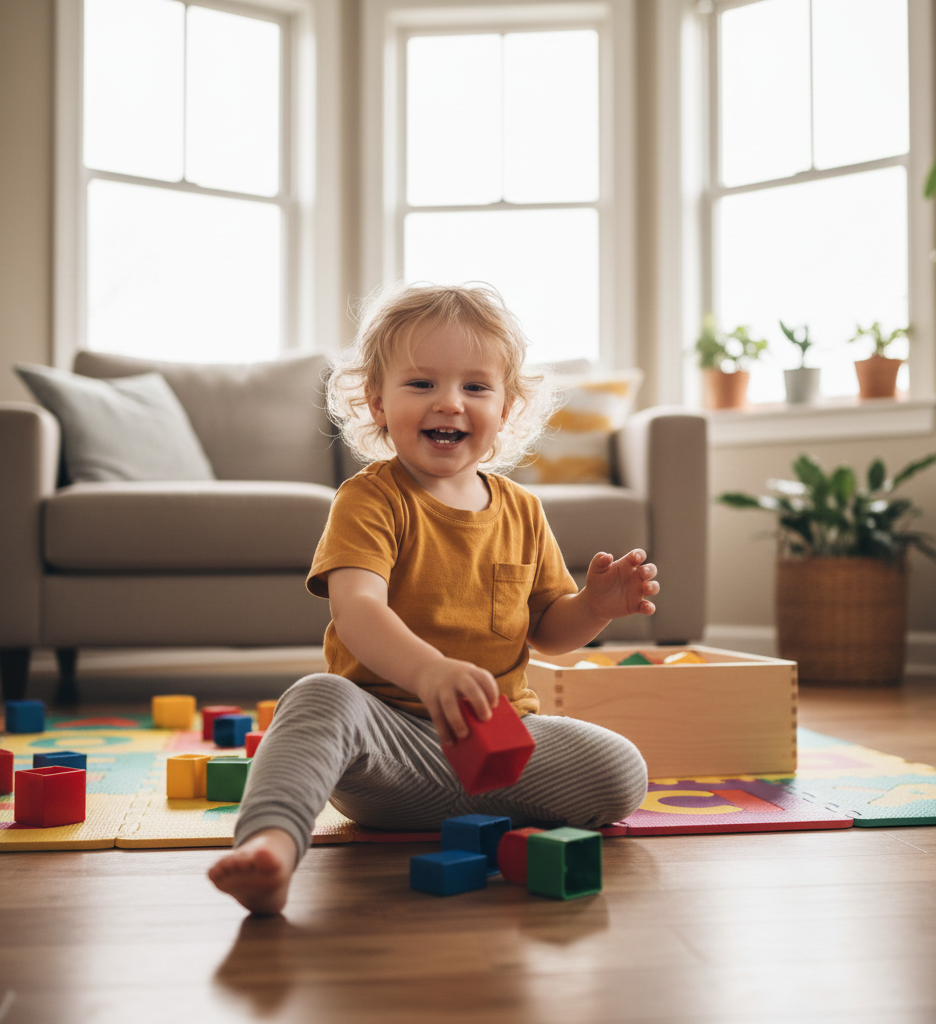
With my 26-month-old daughter, I noticed this behavior appearing almost overnight. One moment she was happily playing with blocks, and the next moment she was tossing them across the room like tiny projectiles.
Sometimes it happened during playtime. Other times it happened during meals when she dropped food straight from her high chair.
At first, I thought she was simply being difficult. But after observing her more closely, I realized this behavior is actually very common in toddler development.
Many parents experience this stage, and it often has more to do with curiosity than misbehavior.
Why This Happens
Toddlers are naturally curious about cause and effect.
When they throw something, they immediately see what happens next.
*The toy makes a sound.
*The food splats on the floor.
*The parent reacts.
For a toddler, this is fascinating.
Around age two, children are also developing stronger motor skills. Throwing objects is one way they explore what their bodies can do.
Another reason toddlers throw things is emotional expression.
When toddlers feel frustrated, tired, or overwhelmed, throwing objects can become a quick way to release those feelings.
What It Means for Parents
For parents, this stage can feel exhausting.
You clean up toys, only to see them thrown again moments later. Mealtime can turn into a constant cycle of picking food off the floor.
But in many cases, throwing objects is simply part of learning and experimenting.
Toddlers are still learning how their actions affect the world around them.
Understanding this helped me stay calmer when my daughter suddenly tossed her spoon across the kitchen.
Instead of seeing it as bad behavior, I started viewing it as a learning moment.
What Helped in Our Home
With my 26-month-old daughter, I noticed that a few simple changes made a big difference.
- Staying calm
Toddlers often repeat behaviors that get a big reaction. Staying calm helped reduce the excitement around throwing.
- Setting clear limits
When something was thrown, I would calmly say,
“Food stays on the table.”
Simple and consistent reminders helped her understand the rule over time.
- Offering alternatives
Instead of throwing toys, we practiced rolling balls or tossing soft toys into a basket.
This gave her a safe way to explore throwing without creating chaos.
- Watching for tiredness
Sometimes the throwing started when she was tired or overstimulated. Recognizing those moments helped prevent bigger tantrums.
When Parents Should Be Concerned
Most toddlers go through a phase of throwing objects.
However, parents may want to seek advice if:
*throwing becomes extremely aggressive
*the child tries to hurt others intentionally
*the behavior continues intensely past age four
In most situations, though, toddlers gradually grow out of this stage as they learn better ways to express emotions.
Conclusion
Toddler behavior can sometimes feel confusing, especially when new habits appear suddenly.
With my 26-month-old daughter, I realized that throwing toys or food wasn’t about being naughty. It was simply part of exploring the world.
Many parents experience this stage, and with patience, clear boundaries, and calm responses, toddlers slowly learn more appropriate ways to play and express themselves.
Like many parts of parenting, this phase usually passes sooner than we expect.
Why Does My Toddler Suddenly Want to Be Carried All the Time?
