Introduction
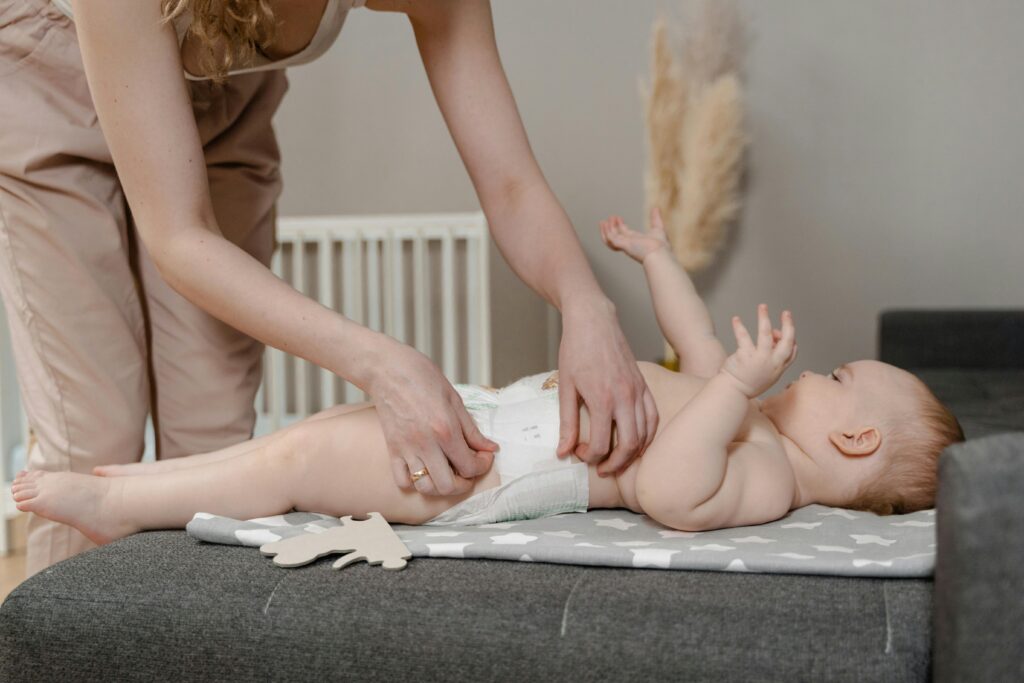
There was a time when diaper changes suddenly became one of the hardest parts of the day.
What used to be quick and simple turned into a struggle. The moment I laid my toddler down, the crying started. Kicking legs, twisting the body, trying to roll away.
It wasn’t just once. It kept happening. Morning, afternoon, even right before bedtime when everyone was already tired.
At first, I thought something must be wrong. Maybe the diaper was uncomfortable. Maybe something was hurting.
But after going through it for a while, I realized this is something many parents quietly deal with.
Why This Happens
Toddlers grow fast, and with that growth comes a strong sense of independence.
Lying still during a diaper change means giving up control, even for a minute. And toddlers don’t like that.
They want to move, explore, and decide things for themselves.
There is also a timing issue.
Diaper changes often happen when a toddler is already uncomfortable, tired, or in the middle of something more interesting. Being interrupted can trigger frustration quickly.
Another reason is awareness.
Toddlers begin to understand what’s happening around them. They know what comes next, and sometimes they simply don’t want to cooperate.
For some children, it becomes a small power struggle. Not because they want to be difficult, but because they are testing boundaries.
What It Means for Parents
For parents, this phase can feel exhausting.
Something that should take one minute can stretch into five. And when it happens multiple times a day, it adds up quickly.
I remember thinking, “Why is this suddenly so hard?”
But looking back, it wasn’t really about the diaper. It was about my toddler learning control and reacting to interruptions.
Understanding that made it easier to stay calm.
Not every diaper change needed to turn into a battle.
What Helped in Our Home
A few small changes made a big difference.
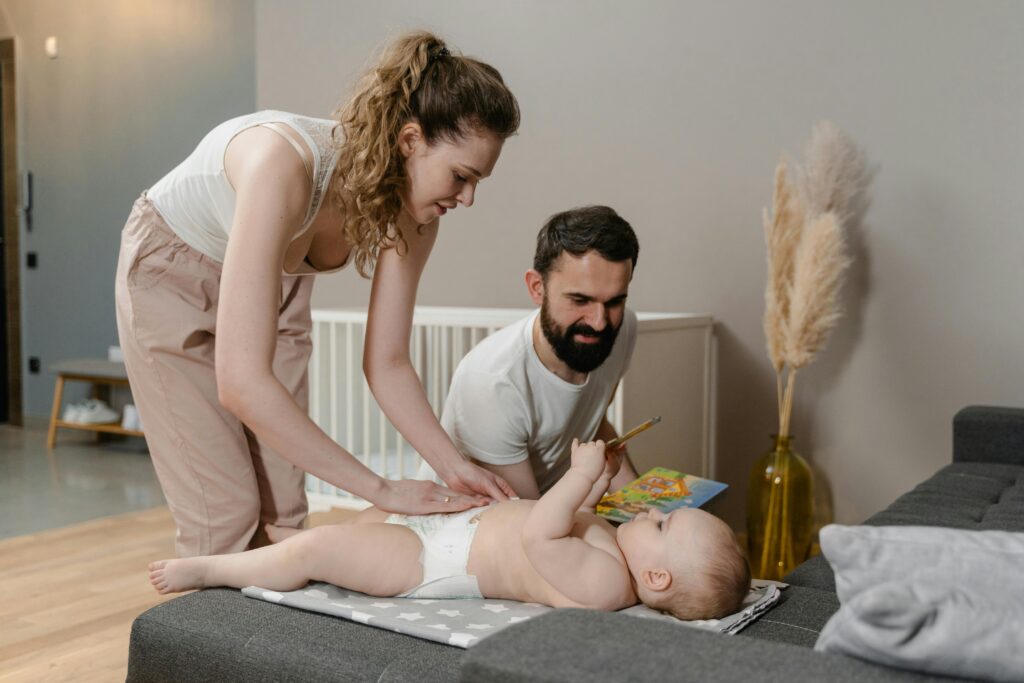
One of the first things that helped was giving my toddler something to hold. A small toy, a random object, even a clean wipe. It didn’t have to be special. Just something to focus on.
Timing also mattered.
If I waited too long, everything became harder. Catching the moment before things escalated helped avoid bigger struggles.
Another thing that worked was changing the environment slightly.
Sometimes we moved from the changing table to the floor. That alone reduced resistance.
And honestly, there were days when I had to move quickly and stay calm at the same time. Not perfect, just steady.
When Parents Should Be Concerned
Most toddlers go through phases of resisting diaper changes.
But if the crying seems extreme, happens every single time, or is paired with signs of discomfort like rash or pain, it may be worth checking more closely.
Sometimes physical discomfort can make diaper changes genuinely unpleasant.
If something feels different or persistent, talking with a pediatrician can help rule out any underlying issues.
For most families, though, this is a short phase that fades as routines settle.
Conclusion
Diaper changes becoming difficult can catch parents off guard.
What used to be easy suddenly feels like a daily challenge.
But in many cases, it’s simply part of growing independence and reacting to small interruptions in routine.
With a few adjustments, patience, and realistic expectations, things usually get easier again.
Even if it doesn’t feel like it in the moment.