Introduction
There was a point when I started feeling nervous every time we went outside.
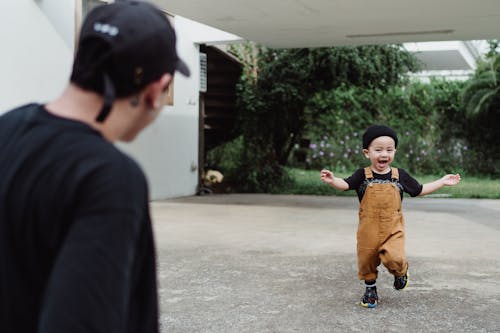
Not because something dramatic had happened, but because my toddler had suddenly started doing one thing over and over again: running the other way the second I called.
At first, I thought it was just one of those random toddler moments. Maybe it was excitement. Maybe it was a game. But after a few days, I noticed a pattern. I would say, “Come here,” and instead of turning around, little feet would move faster.
It is one of those parenting moments that feels small until you are standing in a parking lot, a park, or the edge of a sidewalk with your heart racing.
A lot of parents go through this phase, and it can feel both frustrating and scary.
Why This Happens
Toddlers do not usually run away because they are trying to be disobedient in the way adults think of it.
Most of the time, it is a mix of curiosity, excitement, and very immature impulse control.
Toddlers are wired to explore. Everything pulls their attention at once. A bird, a dog, a puddle, a passing stroller, a leaf on the ground. When they are locked onto something interesting, your voice may not register the way you expect.
There is also a strong independence phase around this age. Toddlers start realizing they can make their own choices, and sometimes that shows up in the most inconvenient ways possible.
And then there is the game factor.
For some toddlers, being called feels like the start of a chase. If a parent sounds urgent, they may laugh and run faster because it feels playful, even when the parent is very much not playing.
What It Means for Parents
This phase can be exhausting because it puts parents on edge.
It changes the way simple outings feel. A quick walk, a trip to the car, or a stop at the playground suddenly requires much more focus. Even calm parents can end up feeling tense.
I remember how quickly a normal moment could turn stressful. One second I was carrying snacks and a water bottle, and the next I was putting everything down just to move faster. That kind of thing wears you out.
Still, this behavior usually does not mean a toddler is “bad” or impossible to handle.
More often, it means they are still learning two big things at once: how to manage impulses and how to respond when a parent gives direction.
That is a hard combination, especially for a tired toddler at the end of the day.
What Helped in Our Home
What helped most was changing my expectations first.
Instead of assuming my toddler would respond the first time, I started preparing before we even stepped outside. A quick reminder worked better than correcting in the moment.
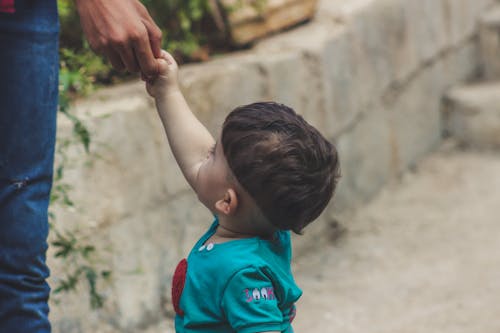
Simple phrases helped: “Stay close.” “Stop when I say stop.” “Hold my hand near the road.”
We also practiced listening indoors when things were calm. Not in a formal way. Just tiny moments during the day. Come here. Stop. Wait. Then praise right away when it happened.
That made a difference.
Another thing that helped was using a more playful tone before the situation became stressful. If I waited until I was already annoyed, my toddler usually tuned me out. But if I kept things light earlier, cooperation came more easily.
And honestly, on high-energy days, I stopped expecting too much. If my toddler was overtired, silly, or already pushing every limit, I knew that was not the moment to test independence in an open space.
Some days the best strategy was simply holding hands sooner.
When Parents Should Be Concerned
Most toddlers go through phases of not listening well, especially when they are distracted.
Still, it is worth paying closer attention if running away happens constantly in dangerous situations and does not improve over time, even with repetition and routine.
If a toddler seems unable to stop, never responds to their name, or shows very limited awareness of danger, it may be helpful to bring it up with a pediatrician.
For many families, though, this is a messy but normal stage. Hard, yes. But normal.
Conclusion
Toddlers running away when called can make parents feel frustrated, embarrassed, and scared all at once.
It is not a fun phase.
But in many homes, it is part of early childhood: big curiosity, big feelings, and very little self-control. That combination leads to some rough moments, especially outside.
What helped most in our home was repetition, simple language, and adjusting expectations. Not every call was going to work perfectly, and accepting that made it easier to stay calm.
Over time, those listening skills do grow.
Even if it does not feel like it when your toddler is running toward a puddle with a huge smile on their face.